Let’s Talk About Rasonque: a Q&A for Our Community
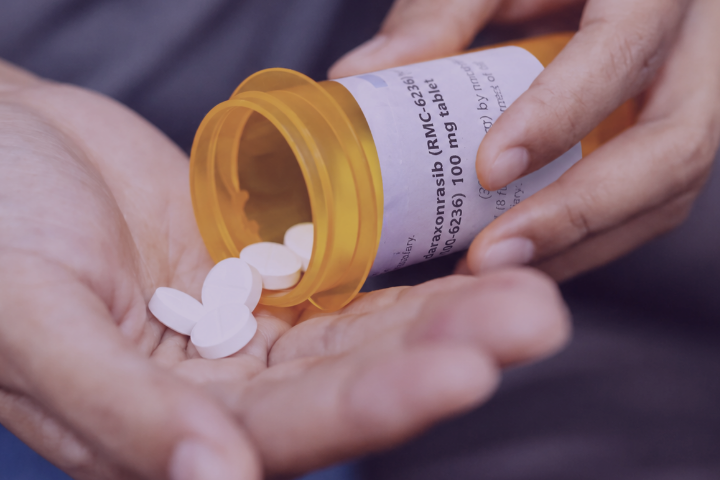
On August 26, 2026, the FDA approved Rasonque (daraxonrasib), a new once-daily pill for patients with metastatic pancreatic cancer.
This is exciting news, but we know it raises a lot of questions. Here are some common questions, answered in plain language. Please note that this is general information, not medical advice. Always talk with your own oncology team before making treatment decisions.
Rasonque and Daraxonrasib: the Basics
I have heard of daraxonrasib–what is Rasonque?
Rasonque and daraxonrasib are the same drug. Rasonque is the brand name of daraxonrasib, which is the generic name. When a drug is approved, it is given a brand name. Other drugs you may be familiar with in pancreatic cancer treatment are Gemzar/gemcitabine, or Abraxane/nab-paclitaxel.
Why is everyone excited about Rasonque?
Rasonque is a targeted therapy, meaning it goes after the specific biology of the cancer. Targeted therapy works only on specific cancer cells, in this case cells that carry the mutated RAS protein, which drives pancreatic cancer growth. The RAS mutation is found in 90 percent of pancreatic cancer patients and was considered “undruggable” for decades.
Rasonque works differently than the standard, traditional chemotherapy used to treat pancreatic cancer. Traditional chemotherapy disrupts the growth and division of cells, and can affect normal, noncancerous cells.

Is Rasonque chemotherapy?
No, Rasonque is not standard chemotherapy. Traditional chemotherapy disrupts cell division processes, and can affect cells throughout the body, causing widespread side effects. As a targeted therapy, Rasonque is designed to act on a specific feature, change, mutation, or substance in a cancer cell. Because it only works on the cancer cells, the side effects are fewer.
What makes taking Rasonque different from standard chemotherapy?
Rasonque is a pill that is taken once a day. The current standard chemotherapies are infusions, which are given intravenously through a port that is placed in the skin. Infusions have to be given at an infusion center and may take hours, and multiple visits each week. Because Rasonque is a pill, it can be taken at home.
Who is Rasonque for?
Rasonque is approved for pancreatic cancer patients with metastatic (stage IV) pancreatic adenocarcinoma who have already had at least one round of chemotherapy, or who are not candidates for combination chemotherapy. You do not need a specific RAS mutation to qualify.
What makes Rasonque “better” than standard chemotherapy?
Rasonque was found to extend the life of patients by an average of 6 or more months without a progression of the disease, when compared to patients on standard chemotherapy. Patients on Rasonque survived an average of 13.7 months, compared to the 6-month average survival of patients on standard chemotherapy.
Rasonque also shrank the tumors, leading to a decrease in pain. Because it is a pill that is taken orally, it eliminates the need for visits to an infusion center to get chemotherapy. Overall, it led to a better quality of life.
Does that mean it will work the same way for me?
Every patient is unique. The results of the clinical trials are averages across all participants, not a promise for any one person. Some tumors respond better than others, and like most targeted therapies, resistance can develop over time in some patients. Your history, prior treatments, and overall health all factor in to what to expect. It is important to discuss expectations with your oncologist.
Why is everyone excited about Rasonque for stage IV cancer?
There are two reasons. First, 50 percent or more of patients are diagnosed at stage IV. There has not been a new treatment for stage IV patients in many years. A new treatment is a real advancement.
Second, the success of this drug means that there is a path to target the KRAS mutation, which is found in 90 percent of pancreatic cancer tumors. KRAS mutations were long thought to be “undruggable,” meaning these mutations were impossible to target with effective treatments. This opens a whole new area of research, which could lead to more and better treatment options. In fact, there are other drugs for KRAS mutations already in clinical trials.
Getting Access to Rasonque
Is Rasonque available right now?
Yes. As of August 26, 2026, oncologists can prescribe Rasonque directly.
What happens to me if I was getting daraxonrasib through the Expanded Access Program?
If you were already receiving daraxonrasib, now known as Rasonque, through a clinical trial or the Expanded Access Program, your care team can help you get the drug through a prescription and your insurance.
Revolution Medicines, the drug’s manufacturer, has also launched a support program called (ON)Path to help with insurance navigation.
What is the cost of Rasonque?
The drug is almost $40,000 for a 30-day supply. Coverage varies by insurance plan. Newly approved cancer drugs are generally covered by Medicare and Medicaid, and private insurers typically follow suit over time.
Revolution Medicines’ (ON)Path program can help with insurance navigation and financial assistance.
What should I do if I want to take Rasonque?
The first step is to discuss it with your oncologist. Ask if Rasonque fits your specific situation, and whether it should be part of your treatment plan.
If your doctor does not think you are a candidate for Rasonque, you can ask about clinical trials for other drugs in development. New research keeps building on approvals like this one.
Do I still need biomarker or genetic testing?
You do not need tumor profiling or genetic testing to be eligible for Rasonque. However, these tests are important for treatment, because they can still reveal other mutations, which can open doors to different treatments or clinical trials. The testing can help map out what comes next if treatment stops working.
Side Effects of Rasonque (Daraxonrasib)
What are the side effects of Rasonque?
The most common side effect of Rasonque, seen in most patients, is a rash, which has gotten some notoriety. Mouth sores (known as stomatitis) also occurred in many patients, and some had diarrhea. The rash and mouth sores were reported most often. According to the clinical trial data, very few participants dropped out because of the side effects.
Most side effects are manageable with proper care. There are other, less common side effects. You can find information on them on the Rasonque web page.
Don’t downplay side effects. Tell your care team early so they can help you stay ahead of them.
How do I manage the Rasonque rash?
The Rasonque rash gained notoriety when former Senator Ben Sasse appeared on a podcast with a very raw, red face. The senator’s rash was extreme; most patients have a milder version.
The rash is similar to acne, and can be managed. From the clinical trial, oncologists have learned to be proactive and start patients on oral antibiotics, steroid creams, and unscented moisturizers when a patient starts treatment. Rasonque can also make you very sun-sensitive, so it is strongly recommended that patients stay out of the sun and wear sun protection when they go outdoors.
If you develop a bad rash your doctor may also discontinue the treatment for a week or two to give you a break and a chance to recover a little.
To learn more read our article on managing the side effects of this drug.
What do I do for mouth sores?
Rasonque can cause inflammation of the mucous membranes in the mouth or lips, leading to sores that make eating and drinking difficult. There are a variety of prescription special rinses, including one that has to be specially made by a pharmacy, and mouthwashes that can ease the sores. Other recommended treatments include salt water rinses and oral numbing agents. The use of alcohol is strongly discouraged.
To learn more, read our article on managing the side effects of this drug.
What about the other side effects?
Similarly to rash and mouth sore management, oncologists have learned to get ahead of the side effects and prescribe anti-diarrhea or anti-nausea medications as a precaution. Your medical team can discuss the other less common side effects to watch out for.
The Data Behind Rasonque
What did the research actually show?
In the phase III RASolute 302 trial, patients on Rasonque roughly doubled their survival time. Patients also went longer before their cancer progressed and reported retaining their quality of life and pain control longer than those on chemotherapy.
The results showed:
- Rasonque reduced the risk of death by 60 percent versus chemotherapy.
- At a median follow-up of 8.5 months, the median overall survival was 13.2 months for Rasonque compared with 6.6 months for standard chemotherapy.
- The 12-month overall survival rate was 53.3 percent with Rasonque versus 18.7 percent with chemotherapy.
- The median progression-free survival was 7.3 months with Rasonque versus 3.5 months with chemotherapy.
- The six-month progression-free survival rates were 58.7 percent for Rasonque and 31.7 percent for chemotherapy.
- The respective overall response rates were 33.2 percent with Rasonque versus 11.8 percent with chemotherapy.
See more details about the final results of the clinical trial.
How does Rasonque impact quality of life?
The drug improved the quality of life in most patients in the trial in a number of ways. It causes the tumors to shrink, leading to a decrease in pain. In addition, as a pill taken at home there is less time spent in a treatment room.
Source: FDA approval announcement, Revolution Medicines, August 26, 2026. This content is for general education and is not medical advice. Always consult your oncologist about your specific diagnosis and treatment options.
Recent Stories
Updating My Story: Daraxonrasib Is Making a Difference
A New Era