Genetic Mutations
157 articles

Having a genetic mutation can make all the difference in treatment choices, and even longer-term survival. Learn more about the importance of genetic testing and molecular profiling.
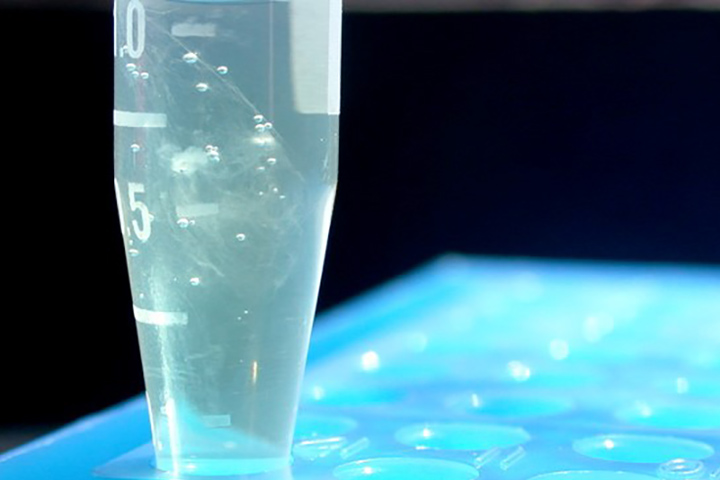
Exploiting DNA Mutations For Pancreatic Cancer Treatment
Dr. James Cleary explains how the researchers at Dana-Farber are looking to make PARP inhibitors even more effective for pancreatic cancer patients.

Progress in BRCA-Related Cancers Highlighted By the Basser Center
The Basser Center for BRCA hosted a panel discussion of the latest breakthroughs and discoveries for BRCA-related cancers.

Family History
Does it Run in My Family? The connection between your family’s medical history and pancreatic cancer As you may already know, cancer can run in families. In fact, people carrying certain genetic mutations have an increased risk of getting cancers including breast, colon, prostate, ovarian, and pancreatic cancer. All told, researchers estimate that known genetic […]
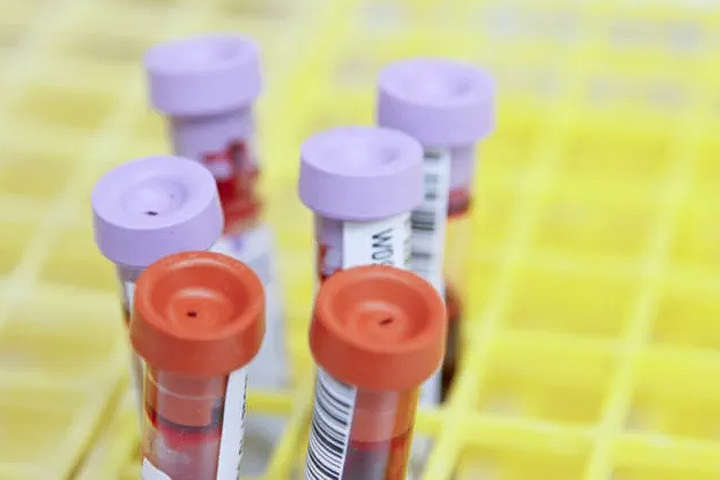
Understanding Who Is at High Risk for Pancreatic Cancer
Who is high-risk for pancreatic cancer? Oncologist Dr. Matthew Yurgelun explains high-risk populations and what steps to take if you meet the criteria.

Making Sure Patients Get Genetic Testing
Dr. Janie Zheng explains her hospital’s protocol for making sure all new pancreatic cancer patients get genetic testing.

PLATINUM Clinical Trial Actively Recruiting
The PLATINUM clinical trial, for patients with BRCA and PALB2 mutations, seeks participants. Dr. Andrew Ko outlines the trial.

PARP Inhibitors for Pancreatic Cancer Maintenance Treatment
Dr. Kim Reiss Binder is leading a clinical trial of maintenance treatment with the PARP inhibitor rucaparib, for patients who carry the BRCA mutation.

Not Just a Survivor . . . A Sur-thriver!
Jon Oelke found that he has a rare genetic mutation, which gives him a back-up plan for treatment if his initial chemo stops working.

Cherishing the Simple Things
Elizabeth O’Connor has a PALB2 genetic mutation so her stage IV pancreatic cancer has responded to immunotherapy.

Pancreatic Cancer: 2018 Highlights And Looking Forward to 2019
Dr. Allyson Ocean leads an overview of the new treatments and protocol from 2018 as well as what are the next steps in treatment for 2019.

Extensive Family History and Genetic Testing Leads to Early Detection
Sidney Levinson and his doctor were aware of his BRCA1/2 mutations so when an MRI was recommended for screening, Sidney did it.
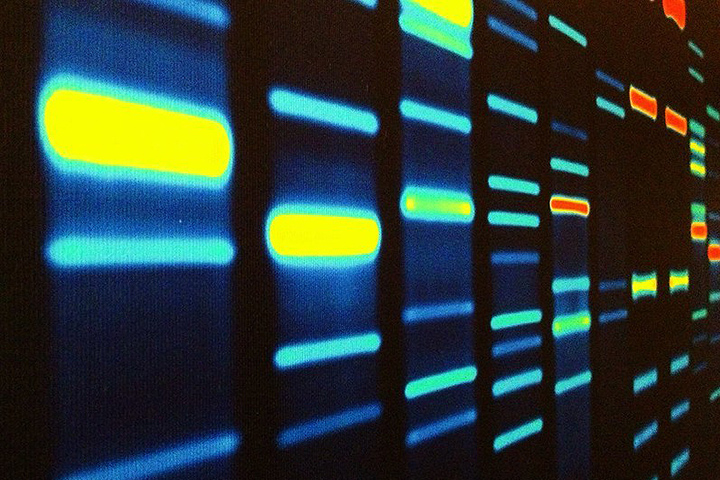
Studying One Family’s Mutations May Change Pancreatic Cancer Treatment and Prevention
Dr. Sahar Nissim is studying the genetic mutations in one family predisposed to pancreatic cancer, to find new ways to combat the disease.
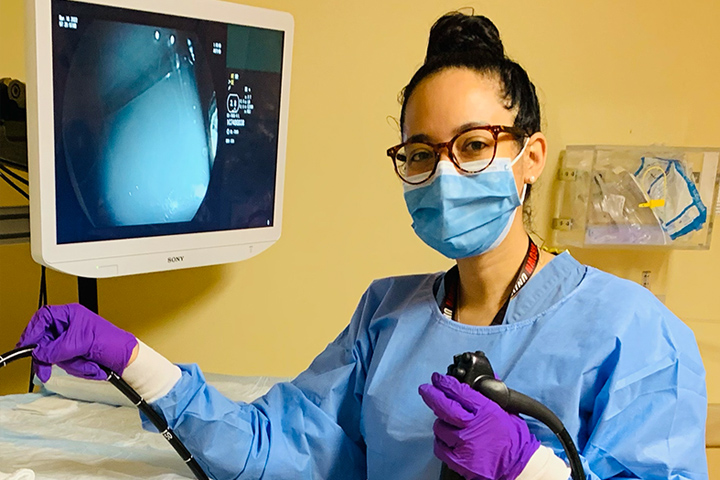
New Study to Get More Minorities Involved in Genetic Testing
Dr. Nicolette Rodriguez leads the REGENERATE study to find the best ways to get more Black and Latinx Americans genetic testing for cancer.

Questions to Ask Before You Begin Chemotherapy
Do you want to better understand your pancreatic cancer treatment? Dr. Andrew Hendifar outlines important questions to ask before starting chemotherapy.

A Liquid Biopsy for Pancreatic Cancer
Dr. Bert Vogelstein and his team at Johns Hopkins are working with a blood test called a liquid biopsy, which tests cells for mutations related to cancer.