Blog
64 Articles

Confirming the Link Between New-Onset Diabetes and Pancreatic Cancer
Dr. Suresh Chari outlines interim study results that confirm the link between new-onset diabetes and pancreatic cancer.

Could AI Help Detect the Pancreatic Cancers We Usually Miss?
Dr. Ajit Goenka is leading a team at the Mayo Clinic that is exploring how AI can be used to find random pancreatic cancer.
At the Table: Looking Forward 10 Years
Members of the Patient Advisory Board discuss the changes they would like to see in 10 years in treatment, early detection, and managing care.
At the Table: Looking Back at the Last 10 Years
The Let’s Win Patient Advisory Board looks back at changes in the last 10 years for pancreatic cancer treatment, screening, and patient care.
ASCO 2026: An Update on Research
Daraxonrasib wasn’t the only research news to come out at ASCO 2026. Learn about other new drugs and tests for pancreatic cancer.
Rewinding 2025: A Year in Pancreatic Cancer Research
We take a look back at the research developments in 2025: KRAS, earlier detection and screening, vaccines, and clinical trials.

A Pancreas-Specific Blood Test Reaches Key Validation Milestones
Dr. Bryson Katona explains the advances in the latest pancreas-specific early detection blood test, to identify cancer at stage I and II.

Molecular Testing for Pancreatic Cysts: The Doctor’s View
Dr. Aatur Singhi outlines how testing pancreatic cyst fluid can help determine a patient’s risk of getting pancreatic cancer.
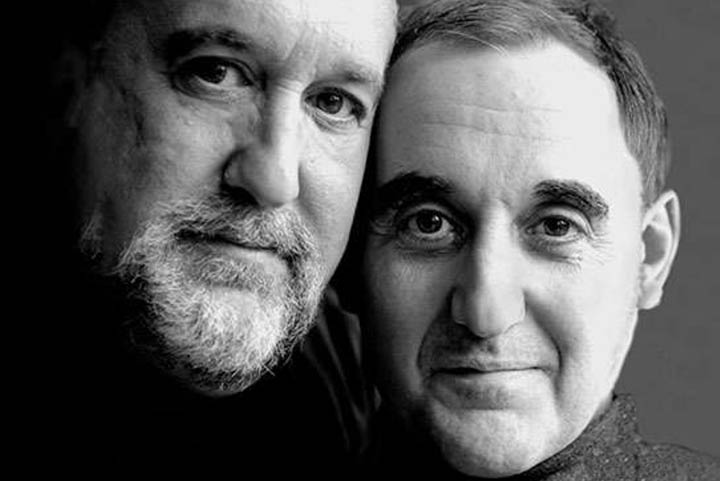
Don’t Let This Happen to You
Long-term survivor Andy Lyons took his brother’s words to heart and went into a monitoring program for pancreatic cancer.

Be Your Own Advocate
Jack Taylor knew he had no time to lose for a Whipple when he was diagnosed with pancreatic cancer, so he found the best surgeon.

Can AI Help Detect Pancreatic Cancer Early?
Dr. Mimi Canto is leading a cross-disciplinary group of researchers who are working to use AI for early detection of pancreatic cancer.

Extensive Family History and Genetic Testing Leads to Early Detection
Sidney Levinson and his doctor were aware of his BRCA1/2 mutations so when an MRI was recommended for screening, Sidney did it.
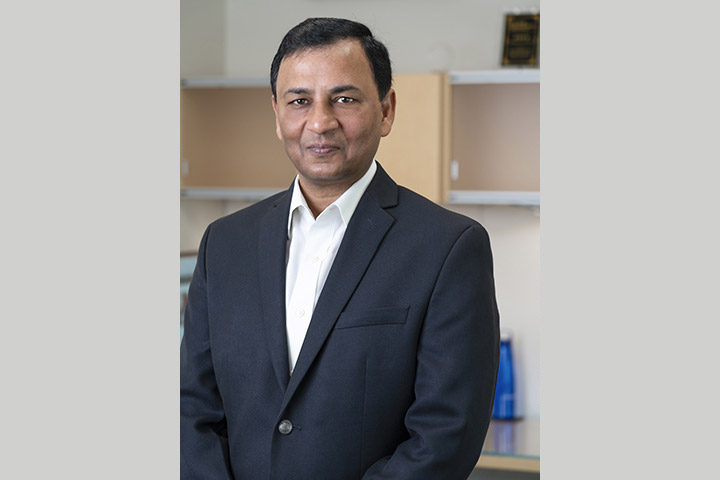
New Liquid Biopsy Shows Promise for Early Detection
Dr. Ajay Goel has a new approach to a liquid biopsy early detection test for pancreatic cancer. So far, the results are very impressive.

2024 AACR Meeting Update
Some of the highlights of the latest pancreatic cancer research from the 2024 AACR meeting include the mRNA vaccine, and a liquid biopsy.

Felix 2.0 Builds Upon Artificial Intelligence Earlier Detection Successes
Can artificial intelligence help find pancreatic cancer sooner? Dr. Elliot Fishman thinks so, and has been working to make it happen.