Treatments
882 articles

Testing an Approved Drug for a Specific Mutation
Researchers are testing a drug combination for melanoma in pancreatic cancer patients with a BRAF genetic mutation.

One More Day
Jose Lucero is a six-year pancreatic cancer survivor. Despite an initial prognosis of one year to live, he went for a second opinion, which saved his life.

Focusing on a Drug that Treats Specific Tumor Mutations
A clinical trial tests a signal-inhibiting drug for lung cancers with specific genetic mutations on gastrointestinal cancers with the same tumor mutations.
Resources
Our extensive collection of web-based and other resources for patients, families, and caregivers provides easy access to information on a wide variety of subjects related to pancreatic cancer. The resources are reviewed and updated periodically to ensure they are current.
Advocacy Organizations Make a Difference
Learn more about advocacy organizations the Griffith Family Foundation, Rolfe Foundation, and Scott Eli Jackson Foundation., and how each helps pancreatic cancer patients and families.
Exercise Before, During, and After Pancreatic Cancer Treatment Could Save Your Life
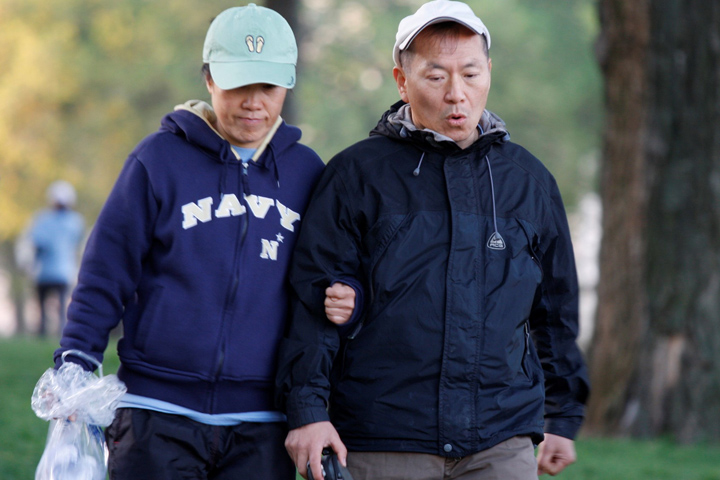
Dr. Matthew Katz explains the benefits of even the most modest amount of exercise throughout pancreatic cancer treatment.

After a Pancreatic Cancer Diagnosis, Know Your Benefits and Rights
If you have been diagnosed with pancreatic cancer you are likely entitled to certain benefits under law. Read more to learn the details.
Support Groups Provide an Emotional Lift
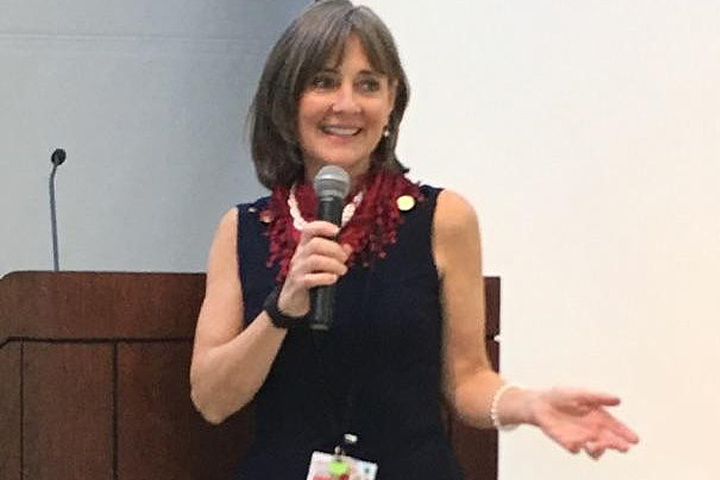
Social worker Angie Heller knows the value of pancreatic cancer support groups. She leads a group at Columbia University Medical Center’s Pancreas Center.

At the Table: How to Talk to your Family and Friends about Pancreatic Cancer
David Dessert, Miggie Olsson, and John Moisan share what they learned about how to talk to family and friends about pancreatic cancer.

Pancreatic Cancer and Drug Interactions: What You Need to Know
Pharmacist Trevor Christ emphasizes the importance of sharing your medication list with your medical team and pharmacist.
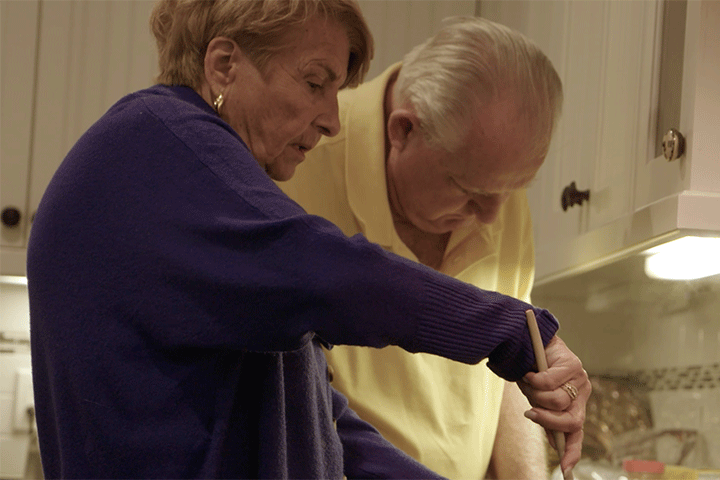
Let’s Win Pancreatic Cancer Survivors—Year Eight
Let’s Win introduces Year Eight of its long-term survivors video series, featuring women and men who were in all stages of the disease.

Wonder Wyman
As a long-term survivor Shelly Wyman is determined to educate nurses about the latest information for helping pancreatic cancer patients.
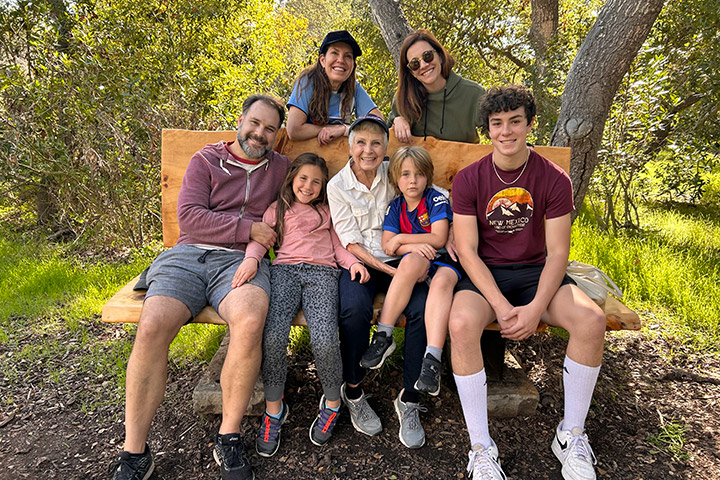
Leave No Stone Unturned
Long-term survivor Julie Lopp was diagnosed with pancreatic cancer, she told her friends that all she wanted was more of every single day.
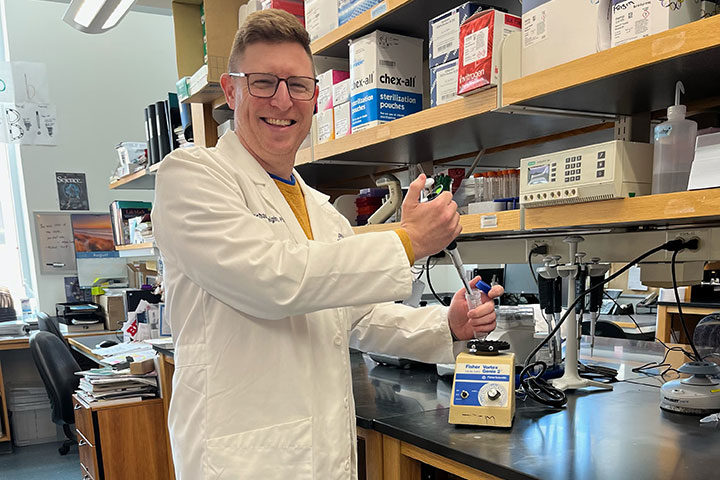
Common Anti-Anxiety Medications May Affect Outcomes
Many pancreatic cancer patients take anti-anxiety medications. But what you take may affect how your treatment works, says Dr. Michael Feigin.
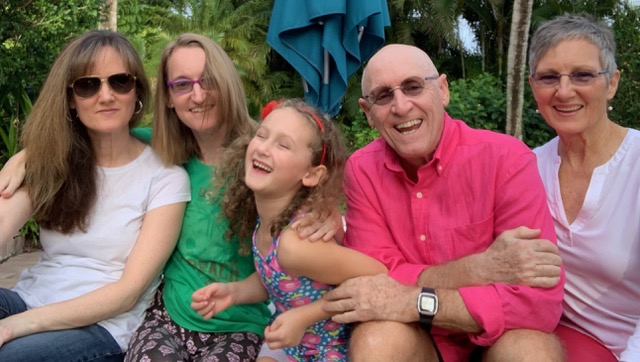
Gratitude is the Divine Attitude
Long-term survivor Alan Nathanson credits humor, determination, and the support of his wife for his pancreatic cancer survival.